
One idea that’s been going around Wall Street over the past month is the TACO trade, i.e. “Trump Always Chickens Out” and so things will go back to normal. Combine that with recent court rulings, and the thinking is that we’re past the tariff worries.
However, that’s not quite the case – tariffs are likely here to stay, though we may not see a dial up to ridiculously extreme levels (one can hope). The US average effective tariff level was about 2% at the start of the year, and when all this is said and done (again, one can hope), average effective tariff rates may be 15-20%. That’s a big shift over a relatively short period of time, and ultimately, tariffs are a tax.
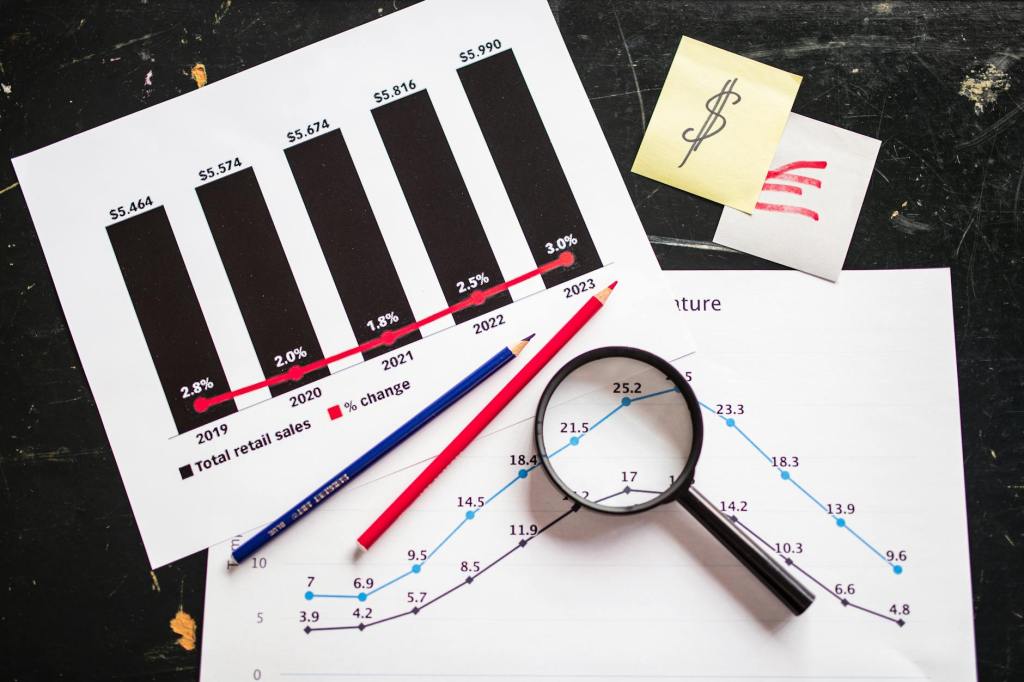
And the data so far shows that the tariff tax is being paid by US businesses (via a hit to margins) and consumers (via goods inflation). Interest rates are also higher, which is mostly normalization but also partly reflective of future inflation uncertainty (tariffs can also create supply shocks, even as massive fiscal deficits continue to prime the pump) – and elevated rates are hurting cyclical areas like housing.
Until early this year, expectations were that the US economy would significantly outpace the rest of the world – hence, the dollar strength. But the expectations have shifted now. There are clear drags on the US side, but the tariff situation has also pushed the rest of the world to get its act together.
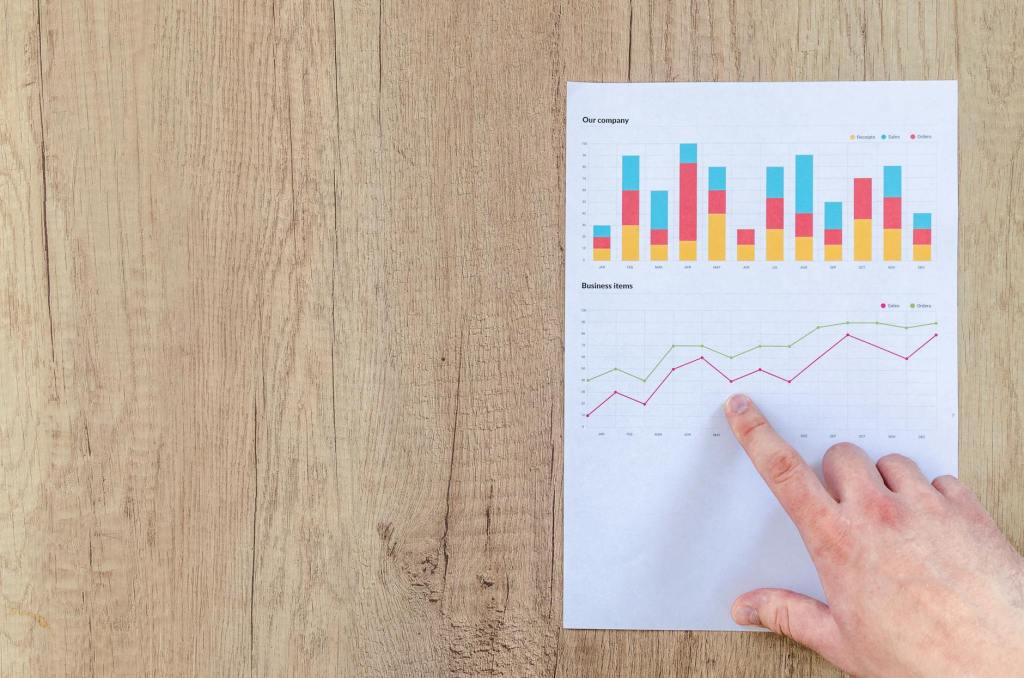
But at the end of the day, this is all about expectations. If US growth expectations shift down, even as expectations for growth everywhere else shifts higher, we could see more dollar weakness and potential outperformance for non US stocks. It’s not to say that the US economy will underperform, but there’s a lot of uncertainty now.



 Busy And Useful