
Most of an investor’s time is consumed in trying to figure out exactly what’s going on in the present, and extrapolating that out a few years into the future so we can determine whether or not we should buy an asset, or a company, or make a loan. It’s all about the probabilities, and the certainties are extremely limited, so it’s not for the faint of heart… which is why there’s so much panic in the markets whenever the consensus expectation of the future is shaken by new events or shifts in sentiment. But as long as you have some discipline, and spread your portfolio out so you’re not making the same “bet” on the same prospective future with all of your investments, it can work out very well.
We all have biases and expectations about the future that are probably wrong, partly because we all have different perspectives on what’s happening right now, and we need to be self-aware, and nimble enough to change our minds at least a little bit from time to time. So I thought it might be helpful to talk through some of my own biases…

So how is the future?
I think I know that we’ll overbuild for A.I. We’ve done so for every major technology upgrade in the past, from fiber optic cables to railroads, so it seems a reasonable bet that we’ll do it here, too, especially because the biggest investors in AI, the mega-cap technology companies, have absolutely no price discipline and are in an ‘arms race’ to grow their capacity as fast as they can, and that kind of plan can turn on a dime when hit with unexpected fiscal realities. I think I know that one day in the next few years we’re going to find we have too many data centers, filled with too many NVIDIA chips, and it will all depreciate very rapidly when we hit the point where the big companies run out of easy-to-spend cash and start looking for returns on their investments. The closest analogue in recent memory is the buildout of national fiber optic connections in the late 1990s to spread the internet — it was important infrastructure, we did need a lot of it, the internet was revolutionary in its potential to change the world and rewire the economy… but the lust to build out the networks fast led to overspending and overcapacity, and several of the companies building those networks went bankrupt. We’re still “re-lighting” some little-used dark networks today as more and more internet bandwidth is needed, and have been adding more fiber in more recent years, too, so it was never a “mistake” to do this investing — but it’s human (and corporate) nature to over-invest in the next hot thing to try to “win,” especially if you happen to operate a company that generates so much cash you don’t know how to spend it, so I think I know that the big AI infrastructure builders will eventually get out ahead of the demand and realize that they need to touch the brakes. I just don’t know whether that’s in the next year, or a few years from now.
I think I know that we’ll have a recession in the next year or two (depending on the risk factors).

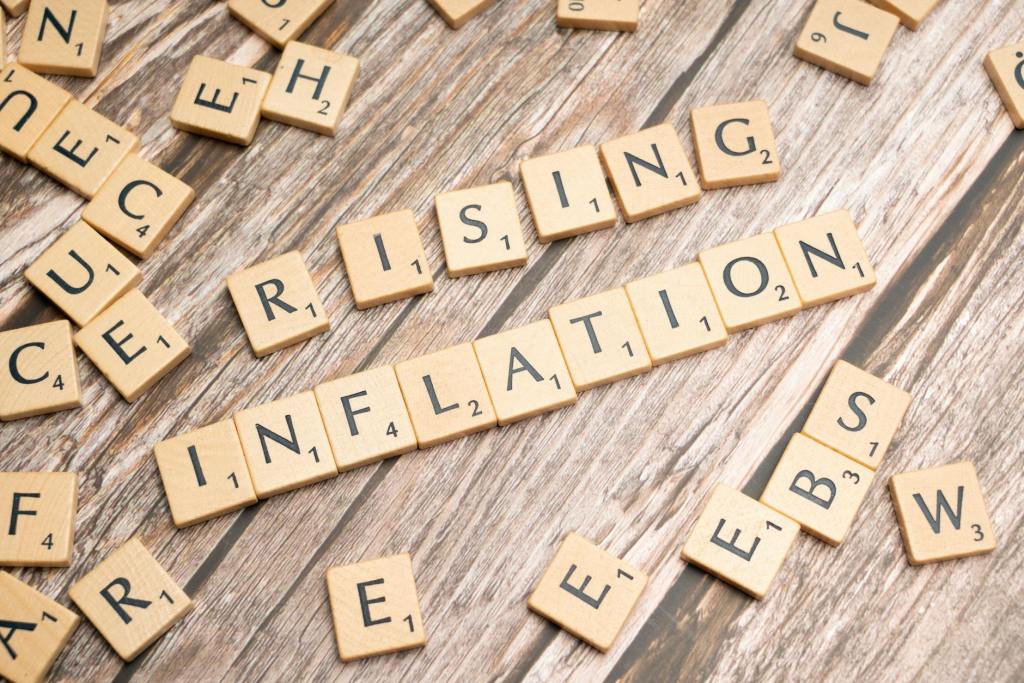
Those come upon us on a pretty regular cycle, and have essentially been postponed in the US by borrowing to spend our way out of them — through stimulative zero interest rate policies, massive deficit stimulus and COVID “rescue” spending from Congress and the President, and quantitative easing by the Federal Reserve. That all eventually caused inflation, as everyone expected (though the expectation of timing and severity was far from a consensus), and now the debt is so extreme that even though inflation is still too high we both can’t handle higher interest rates, since debt service is likely to hit an annual cost of a trillion dollars over the next year or so, and probably can’t grow the economy without lower interest rates, given how dependent so many zombie companies still are on cheap financing, and how much housing, the largest part of most personal budgets, depends on lower rates. That doesn’t guarantee a recession on any particular timeline, but I think I know we’ll have one soon. If we need to both bring down inflation and cut interest rates, probably the only way to do that without an exogenous shock, is with a meaningful recession.
Recession worries have gotten increasing attention as first President Trump in his address to Congress, and then Treasury Secretary Scott Bessent said in a CNBC interview that the economy might suffer in the short term, or could be, “starting to roll a bit” as the new administration tries to cut programs and spending and reduce the federal workforce. It remains to be seen whether President Trump and Congress will actually cut the budget deficit in any meaningful way, but the threat that they might cut Federal spending enough to have a meaningful budget impact is probably enough to increase the odds of a meaningful recession, given how reliant some sectors of the economy are on government spending (especially healthcare and defense)… and that goes even beyond the ongoing fight about whether the large federal infrastructure investments passed in the last Congress will be pulled back (CHIPS Act, IRA, etc.), which creates major uncertainty for large and long-term infrastructure projects that are barely off the drawing board now. Who knows, maybe President Trump’s aggressive negotiation tactics will end up bringing some more fiscal rationality to Washington, or force Congress to start doing its job in a meaningful and serious way for the first time in 20-30 years — but it’s clearly not going to be a smooth and easy process.
Over the next year or two, my base case expectation is that either interest rates will fall (like the 10-year moving back down to 3%), or the stock market earnings multiple will fall, or maybe both. It could also be extremely gradual, if we get lucky, and only noticeable as a stock market return that averages a couple percent below ‘normal’ as we grow into valuations. There are many possible outcomes, of course, we could certainly have an economic boom or a devastating depression over the next five years.
Which is why I remind myself to avoid big bets on any of those things I think I know, mostly because there has been essentially no evidence to suggest that I’m a skilled economic forecaster. But expectations do drive behavior to some degree, no matter how rational and objective you try to be as an investor, and I am generally growing a little more risk averse at the edges of my portfolio.
Part 2 to follow soon…
meanwhile do comment and subscribe…




 Busy And Useful