
Ok, tariffs happened. But now what is the big question — to the economy, and the markets.
1) What tariffs went into effect?
On March 4th, new tariffs on Canada, Mexico, and China went into effect (paused for now). These included:
- 25% tariffs on all Canadian goods, with the exception of Canadian energy imports (which will be tariffed at 10%)
- 25% tariffs on all Mexican goods
- 10% tariffs on all Chinese goods, which will be in addition to the 10% tariffs that went into effect a month ago
These tariffs are big deal – Canada, Mexico, and China make up about 43% of US goods imports, and 41% of US exports.
The tariffs on China alone are twice as large as those imposed during President Trump’s first term. The new tariffs will raise the average effective tariff rate that the US imposes on imports from about 2% to near 10%, which is something we haven’t seen since the 1930s and ‘40s. The US is once again putting a self-imposed economic blockade around itself.
2) Are there more tariffs to come, and will other countries retaliate?
Short answer: yes (to both questions). President Trump has plenty more planned. These include tariffs on steel, aluminum, and even lumber and agricultural imports. Plus, reciprocal tariffs on every country, which would match the tariff rate other countries impose on US goods.
Retaliatory actions are already in the works. Canada imposed 25% tariffs on $20.5 billion in US goods but haven’t specified the products yet. They plan to extend that list to $85 billion of goods over the next few weeks. Mexico is set to respond by this weekend. China was a lot quicker out of the gate, announcing retaliatory tariffs minutes after Trump’s latest tariffs were imposed.
3) Weren’t Tariff Threats Supposed to be a “negotiating ploy”?
That was the expectation, but we have tariffs now. The White House has said that Canada, Mexico, and China need to do a lot more to stop the flow of illicit drugs into the US. Anyway, for now, it’s all action and not much talk. The trade war is here, and it may last a while. Even if we get a roll back of tariffs, the threat is going to loom over the global economy.
4) Will prices go up due to tariffs?
All else equal, yes, prices will go up. But it’s going to vary a lot depending on several factors, including retaliatory tariffs and currency movements.
The impact on prices is also going to vary depending on the type of product.
5) Will the Federal Reserve cut interest rates to alleviate any pain from tariffs?
Unlikely. The Federal Reserve (Fed) has currently paused on further rate cuts, and tariff uncertainty is likely to keep them on pause for longer. Fed Chair Powell has repeatedly highlighted the uncertainty around tariff policy as one of the reasons behind the pause.
6) Will we see stagflation as a result of tariffs?
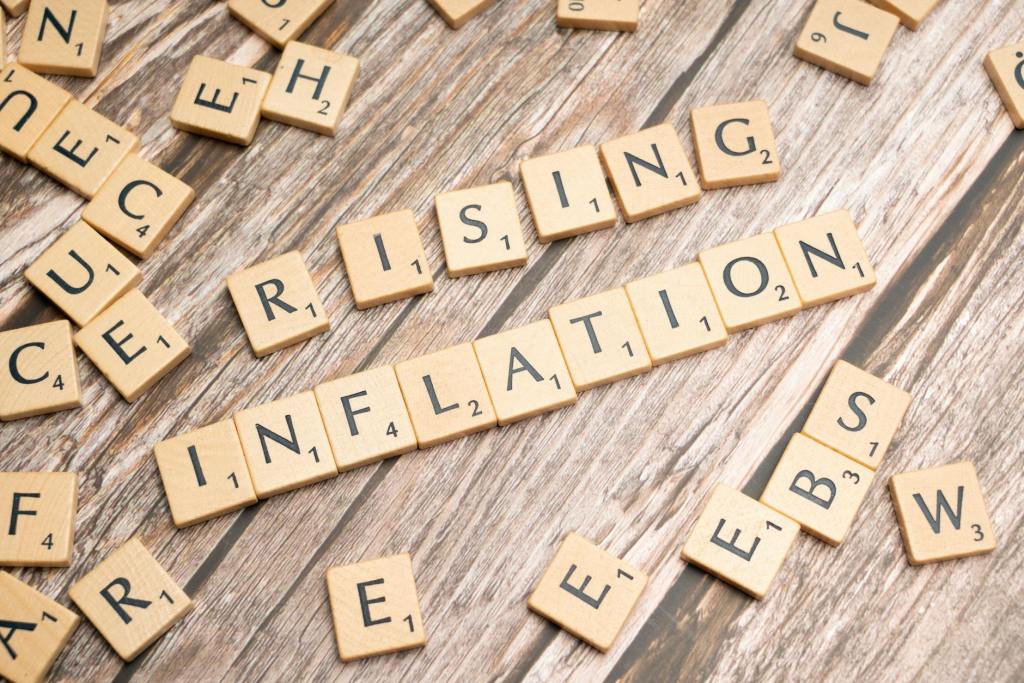
With respect to inflation, tariffs will likely increase prices in a one-time shift, but sustained inflation is unlikely. For sustained inflation, one of the first places you want to look at is oil prices. Markets aren’t expecting stagflation either. If they were, we would see expected Fed policy rates move higher, as the Fed looked to combat higher inflation.
7) Will markets crash?
I believe the bull market is still young and has ways left to go. However, we could see significant volatility. Even some of the best years on record have seen some scary moments, making 2025 not all that different from any year in history.


 Busy And Useful